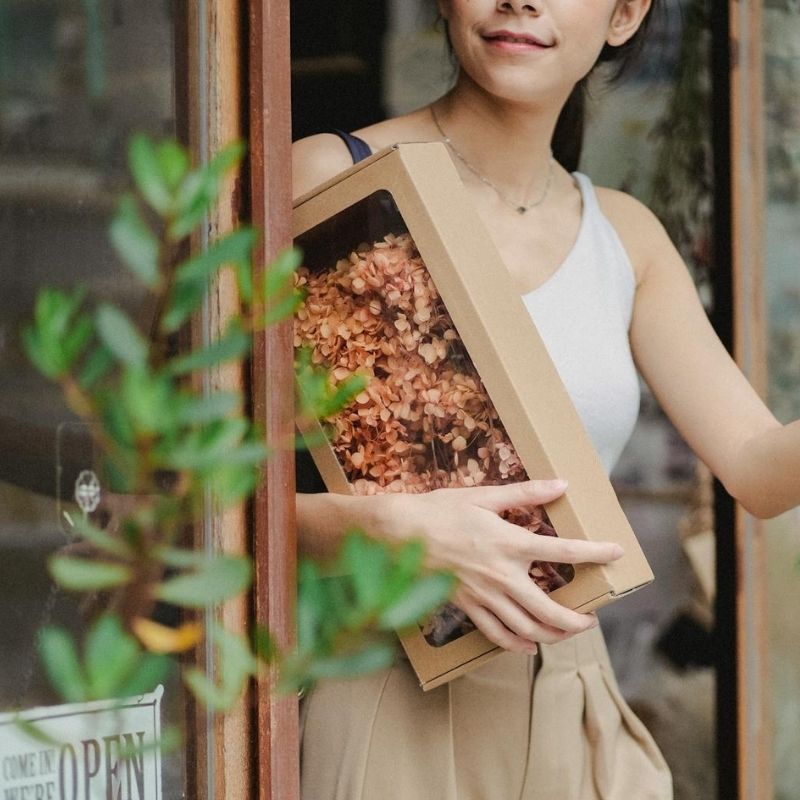
Every destination has a version of the same story. The restaurant everyone talks about after the trip. The shop a local pointed you toward. The place that didn't come up in any search but ended up being the whole reason you'd go back.
Those businesses exist everywhere. Finding them is still mostly luck. And after years working inside destination marketing, watching campaigns drive record visitation numbers while the independent businesses two blocks from the main attraction stayed invisible, that started to feel like a problem worth solving.
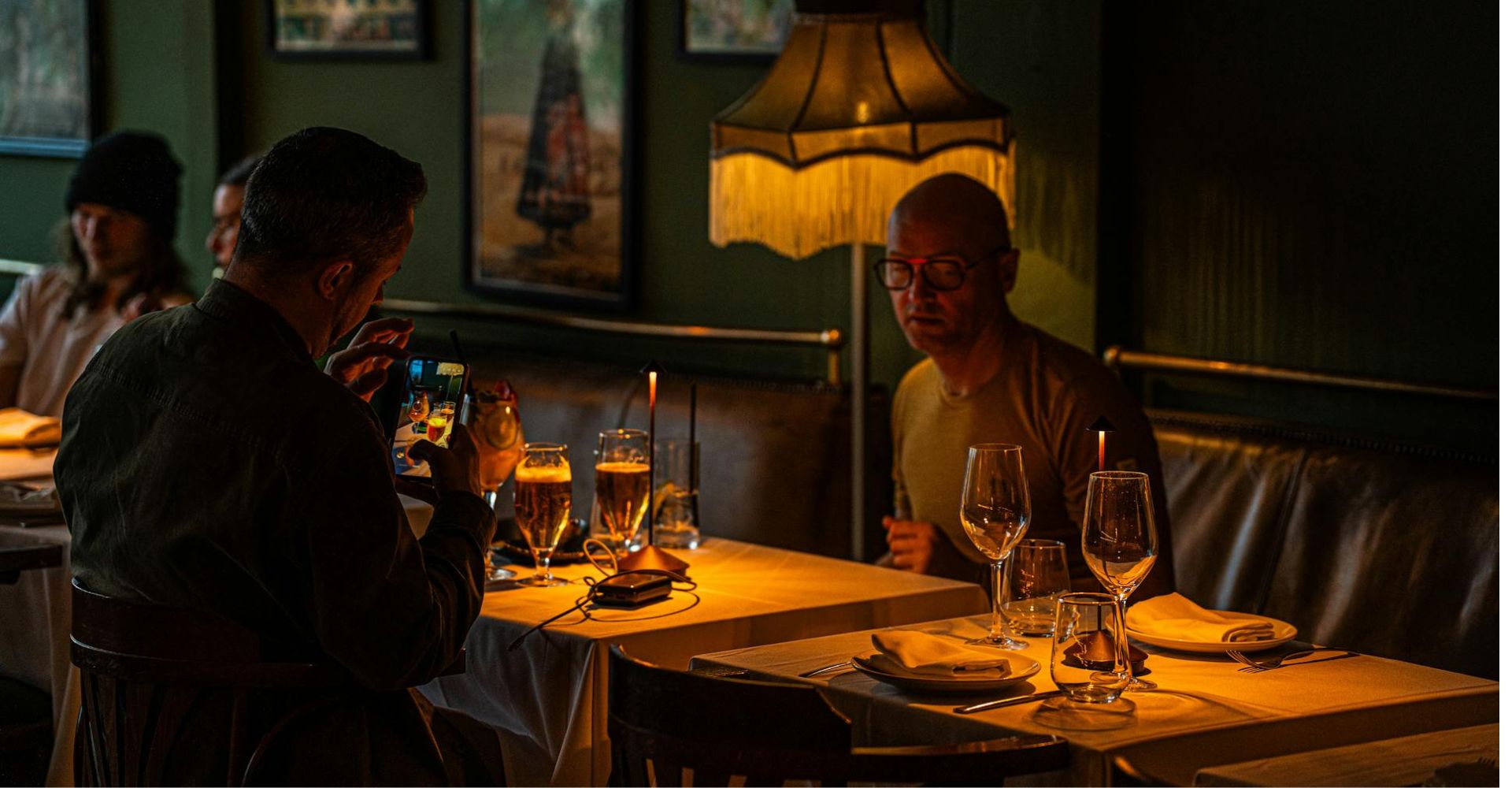
Visitors are searching differently than they used to. Recommendations come from AI, TikTok, algorithms, travel creators, and group chats.
But most destination visibility systems still favor the businesses with big marketing budgets, a staff member who had time to fill out the submission form, or a listing they've been paying to maintain for years. The businesses that actually define the visitor experience are often the ones with the least infrastructure to be found.

For years, destination marketing has focused on getting people to show up. And it mostly works: visitation numbers go up, hotel occupancy improves, the metrics look good. But the independent restaurant three blocks from the convention center? The boutique that's been there for twenty years?
They're often not part of that equation at all.
It's not a failure of intent. DMOs are working hard to attract visitors. Local businesses are working hard to serve them. But visibility in travel has always concentrated at the top: the big attractions, the sponsored listings, the businesses with marketing budgets. What gets lost are the places that actually shape how a visitor feels about a destination long after they've left.